Polylactic Acid (PLA) Fiber
From plants to fibers, from nature to life.
Why are disposable hygiene products gradually transitioning to PLA fiber? What is the underlying reason?
When visiting maternal and baby stores, you might notice that more and more diaper packages are printed with “PLA fiber”;
When choosing sanitary napkins, the options for “plant-based top sheets” are quietly increasing;
Facial cleansing towels, makeup remover wipes, wet wipes, and even some pet products like pee pads have started to be labeled as “biodegradable materials.”
Unknowingly, PLA fiber non-woven fabrics have penetrated many categories of hygiene products. Transitioning to PLA seems to have become a new industry trend. Behind this craze is by no means a simple “material bandwagon effect,” but the result of the joint promotion of user needs, product performance, and environmental responsibility.
What is PLA fiber?
To understand the transition to PLA in hygiene materials, we must first understand the core advantages of PLA fiber non-woven fabrics.
The raw materials for PLA fibers come from crops like corn and cassava, and even agricultural and forestry waste. After extracting polylactic acid (PLA) through biological fermentation, it is processed into non-woven fabrics. Its “plant-based origin” gives it two key labels:
1. Environmental attributes: PLA is a bio-based material that is naturally renewable and has excellent biodegradability. Related products can be decomposed into carbon dioxide and water by microorganisms within one year in a natural environment after disposal, without accumulating into “white pollution” like ordinary plastics.
2. Natural safety: PLA has excellent biocompatibility. Its core component, lactic acid, is inherently an endogenous substance in the human body. It rarely causes allergies upon contact with the skin, making it naturally suitable for close-to-skin personal care and hygiene products.
The 3 Core Reasons for the PLA Transition of Hygiene Materials: Each Hits a Specific Demand
Reason 1: Users Want “Peace of Mind”
Friendly to sensitive skin, reducing irritation from the source
Whether it is baby diapers or feminine sanitary napkins, “close-to-skin without irritation” is a crucial requirement. Infants and the elderly, in particular, are more sensitive to product materials and have higher requirements.
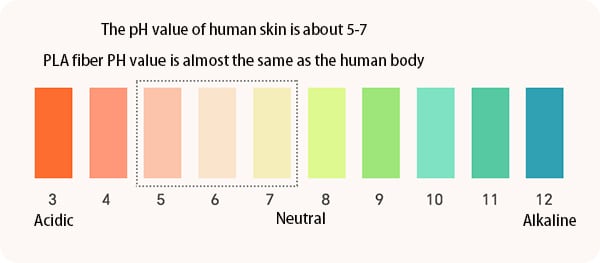
PLA fiber non-woven fabrics happen to have a significant advantage in this regard. Their surface inherently provides a weakly acidic environment that matches the acid-base balance of human skin, equivalent to adding a “natural protective shield” to the skin. This dual characteristic of “antibacterial + hypoallergenic” makes more and more families willing to pay for it.
*According to the antibacterial test report of eSUN PLA fibers, PLA fibers have good antibacterial effects against Staphylococcus aureus, Escherichia coli, Candida albicans, etc.
Reason 2: Users Want a “Comfortable” Experience
Breathable and dry, solving core usage pain points
“Stuffiness and dampness” is an old problem with hygiene materials. Babies wearing diapers for too long can get diaper rash (“red bottoms”); unbreathable sanitary napkins are prone to feeling sticky; and adult pull-up pants can also become uncomfortable after prolonged close-to-skin wear.
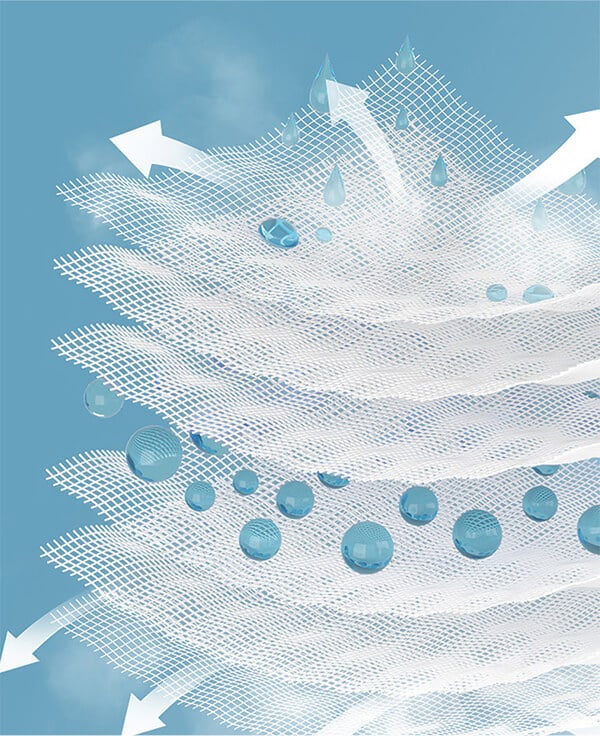
The structural characteristics of PLA fibers precisely solve this pain point. The interior of PLA fibers has a large number of micropores, allowing air to flow freely, resulting in excellent breathability. At the same time, PLA fibers have outstanding moisture-conducting and hydrophobic properties, which can quickly guide liquid away from the skin surface, keeping the top sheet dry.
Reason 3: The Industry Needs “Responsibility”
Biodegradable, PLA is the preferred low-carbon and sustainable material
The raw materials for PLA fiber non-woven fabrics come from renewable biological materials, which reduces the environmental burden throughout the entire life cycle. Carbon emissions during the production process are significantly reduced compared to traditional materials. Related products can also be biodegraded after disposal, forming a cycle of “planting – production – usage – degradation – return to nature.”
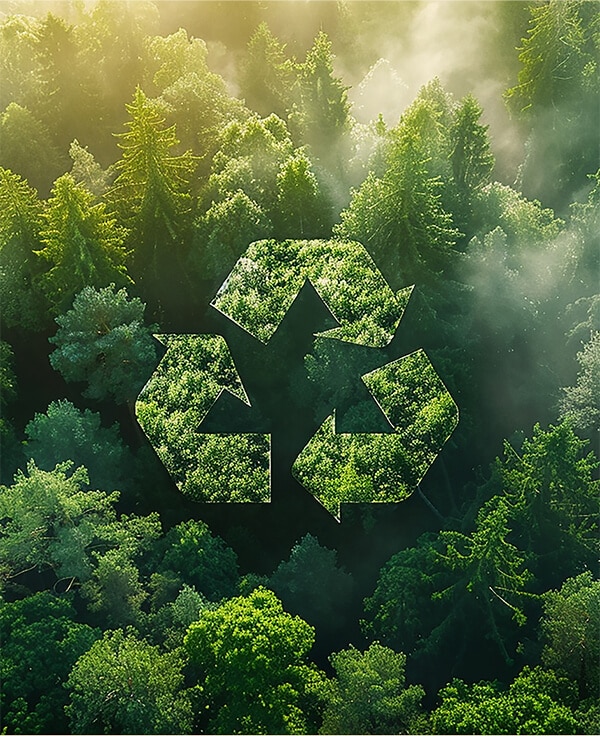
The application of PLA non-woven fabrics offers excellent biodegradability. Under composting or natural environments, they can be completely decomposed into carbon dioxide and water, causing no pollution or burden to nature.
*As a bio-based plastic, polylactic acid (PLA) has a significantly lower carbon footprint compared to traditional petroleum-based plastics. According to a report by Plastics Europe, the Global Warming Potential (GWP) of PLA is approximately 0.5 kg CO2 eq/kg, which represents a carbon footprint reduction of about 75% compared to typical fossil-based polymers such as PS, PET, PP, and PE.
The Transition to PLA in Hygiene Materials: PLA Fibers are Covering Multi-Scenario Applications
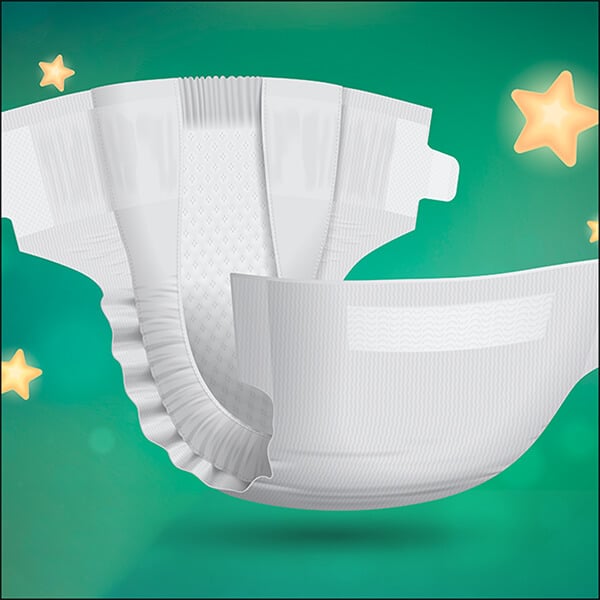
1. Infant/Elderly Care
Using PLA for the top sheet of diapers balances hypoallergenic, antibacterial, and comfortable experiences, saving new parents from worrying about diaper rash; when applied to adult diapers, it can also provide a comfortable usage experience.
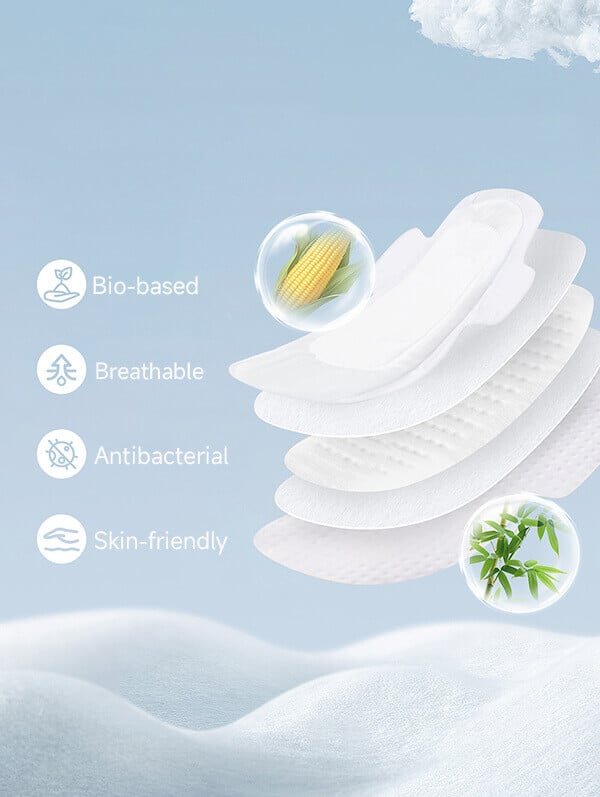
2. Feminine Care
Replacing the top sheet and back sheet of sanitary napkins and panty liners with PLA material ensures they are breathable and not stuffy, allowing even those with sensitive skin to use them with peace of mind.
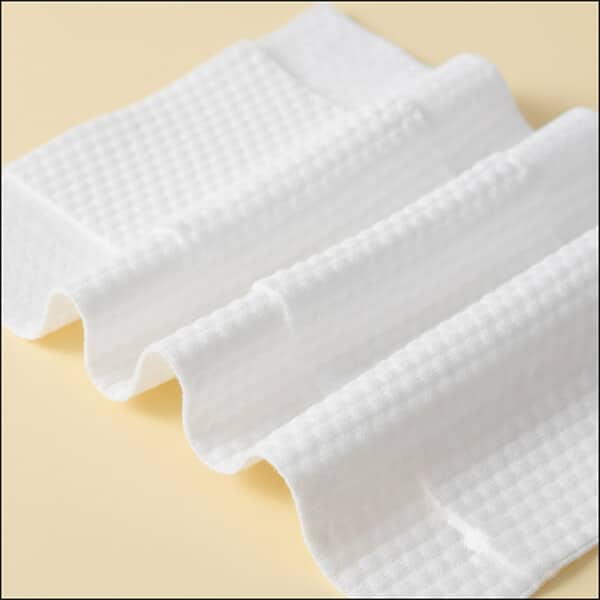
3. Personal Cleaning Products
PLA fiber non-woven fabrics can also be applied to products such as facial cleansing towels, makeup remover wipes, wet wipes, and cotton pads. As a natural bio-based material, it is soft and skin-friendly, and also possesses good antibacterial properties and biodegradability.
*Additionally, PLA bicomponent fibers can be used as thermal bonding materials, further reducing the use of chemical adhesives, maintaining the purely natural advantage of the products, and ensuring product safety.
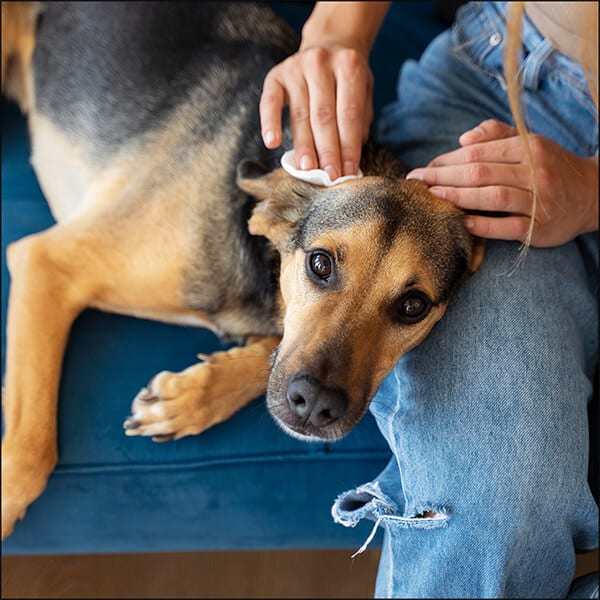
4. Pet Care
Pet pads, pet diapers, cleaning bags, and pet wipes can all utilize PLA fiber non-woven fabrics. It not only provides an antibacterial, deodorizing, and non-toxic experience but also degrades without environmental pressure after disposal.
eSUN Product Introduction
eSUN can provide:
PLA staple fibers, filaments, and non-woven fabric products,Especially differentiated PLA fibers,Such as bicomponent fibers, 3D fibers, etc.We can customize fiber and non-woven fabric products according to customer needs.