
Polylactic Acid (PLA) Fiber
From plant to fiber, from nature to life
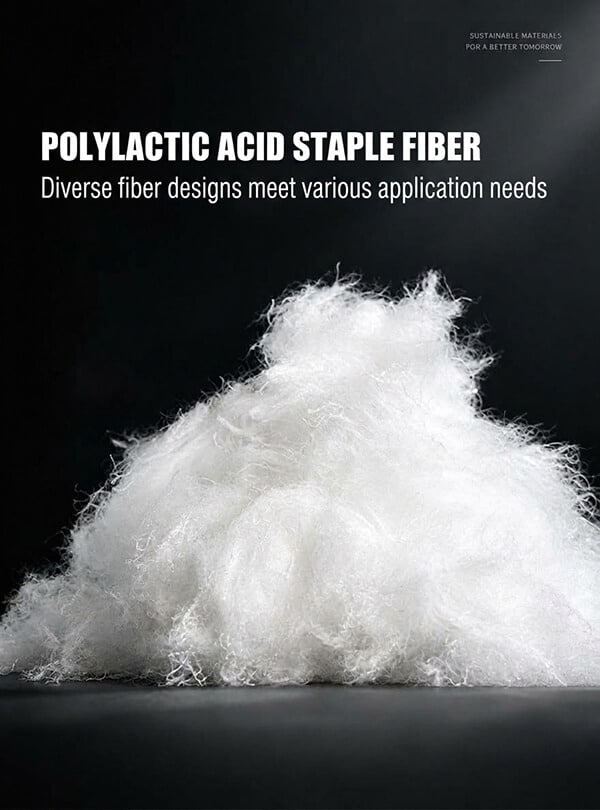
About PLA Staple Fiber
PLA staple fiber is a bio-based and biodegradable fiber made from renewable plant resources, such as corn starch. PLA staple fiber is not a single-specification “standard product”. Through fine design of the fiber’s fineness, length, structure, and composition, it can perfectly adapt to the processing techniques and end-use needs of diverse fields ranging from spinning and filling to non-wovens.
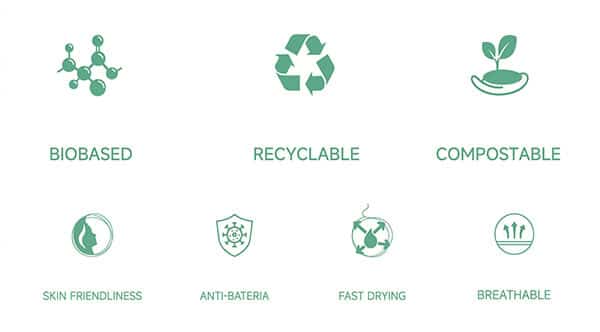
eSUN PLA Staple Fiber Series Products
eSUN PLA staple fiber products can be divided into conventional mono-component fibers, ultra-short fibers, bi-component fibers, three-dimensional crimped fibers, dope-dyed yarns, shaped cross-section fibers, functional fibers, etc.
1/PLA Super Short Cut Staple
Fineness: 0.9D-6D Length: 3/6/12mm Applications: Wet-laid papermaking, flocking, etc.
2/ PLA Mono-Component Staple Fiber
Fineness: 1D-6D Length: 6-64mm Applications: Yarns, non-wovens, etc.
3/ PLA Bi-Component Staple
Fineness: 1.5D-5D Length: 6-64mm Applications: Non-wovens, thermal bonding, fillings, etc.
4/ PLA Three-Dimensional Crimped Staple
Fineness: 1.5D-5D Length: 38/51/64mm Applications: Clothing, home textiles, and toy fillings, etc.
Technologically Innovative Product — Aging-Resistant PLA Fiber
Through molecular design modification, eSUN has improved the hydrolysis resistance, heat resistance, and dyeing performance of PLA fibers, and effectively controlled strength degradation, breaking through its application bottleneck in the textile and apparel field.
Technologically Innovative Product — Hollow and Bi-Component PLA Fibers
eSUN hollow PLA fiber achieves lightweight and warmth retention through a hollow cross-section design; the bi-component core-sheath PLA fiber realizes glue-free thermal bonding relying on the composite of high and low melting point PLA.
eSUN PLA Staple Fiber Application Examples
From yarns and textile fabrics, non-woven materials to various filling products, PLA staple fiber is entering more and more application scenarios.
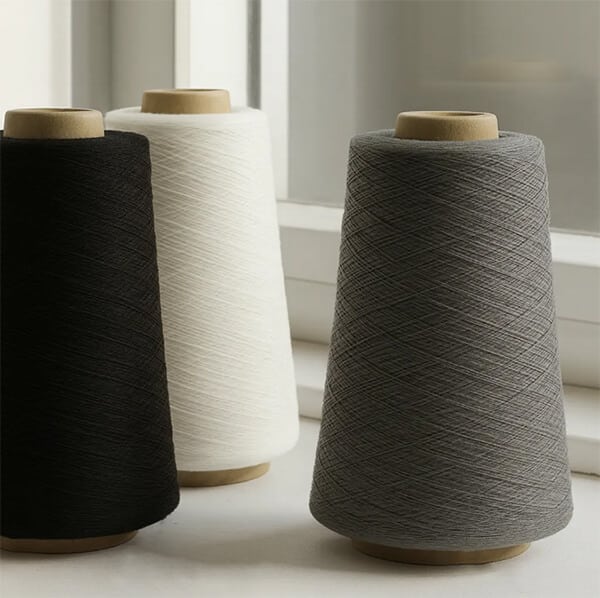
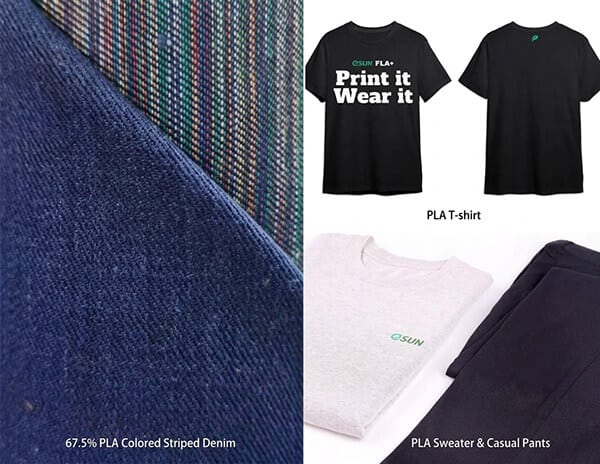
1. Spinning and Blended Textiles
PLA staple fiber can be spun independently or blended with other fibers such as cotton, wool, viscose, Tencel, etc. By combining with different fibers, PLA can further enter textile products such as clothing and home textiles, providing more possibilities for the application of bio-based materials in traditional textile systems.
2. Various Filling Applications
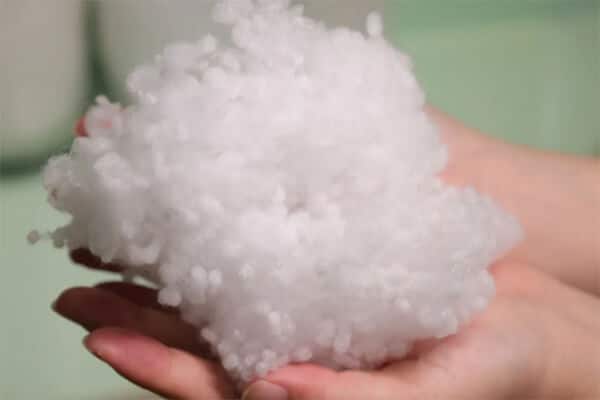
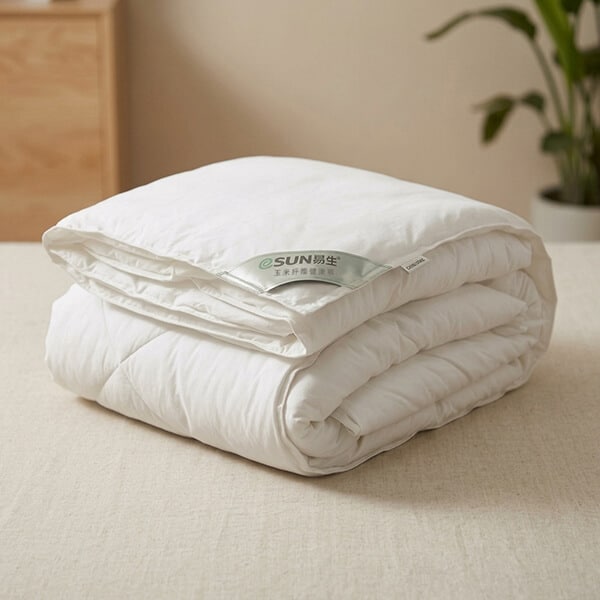
PLA three-dimensional crimped fiber can form a soft and fluffy fiber structure, suitable for a variety of filling and thermal insulation applications. Its typical applications include quilt cores, pillow cores, cushions, winter clothing, and plush toys, etc.
3. Non-Woven Fabric Manufacturing
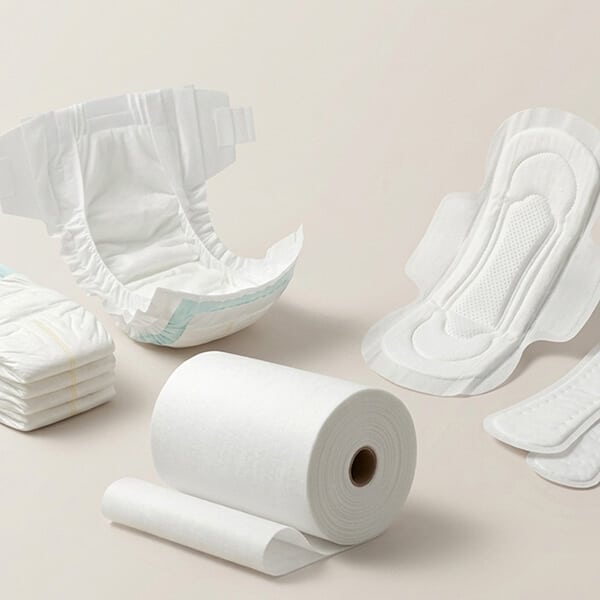
PLA staple fibers can also be used to prepare various non-woven materials through different processes such as hot air, hot rolling, spunlace, and needle punching, and are widely used in disposable hygiene products, medical products, packaging applications, horticultural geotextiles, and other functional materials.
About eSUN
Committed to the R&D, production technology innovation, and application expansion of PLA fibers and non-wovens. eSUN takes PLA fibers and non-wovens as the company’s main product development and strategic development direction. The company’s products include various specifications of PLA staple fibers, filaments, and non-woven products, especially differentiated PLA fibers, such as bi-component fibers, three-dimensional fibers, etc., and can tailor fiber and non-woven products according to customers’ application needs.
Current production capacity includes one 10,000 tons/year melt direct spinning PLA fiber production line, and three differentiated PLA fiber production lines with a capacity of 5,000 tons/year, which can produce differentiated products such as PLA three-dimensional crimped fibers, bi-component composite fibers, shaped cross-section fibers, PLA filaments, and dope-dyed PLA fibers, as well as a 1,000 tons/year PLA hot-air and hot-rolled non-woven production line.